Turn a research paper into slides for your talk
For journal clubs, lab meetings, conference talks and thesis defences. PPTNative reads the whole paper and builds the talk: the question, the method, the results and what they do not show.
How it works
Upload the paper or thesis
A PDF from the journal or arXiv, or your thesis as PDF or Word. Add a note such as “20-minute defence for a committee of three”.
Approve the outline
Check that the story is the one you want to tell, and move or rewrite slides before anything is drawn.
Present it
Download the .pptx and adjust anything in PowerPoint. With paid credits you also get speaker notes.
Made for academic talks
The paper's figures, credited
Figures are cut out of the PDF whole, never cropped, and captioned with the reference.
Results as real charts
Where the paper gives numbers, they become native charts you can edit, not pictures of charts.
Methods as editable diagrams
Pipelines and architectures are drawn as PowerPoint shapes and arrows that you can rearrange.
Notes for the questions
Speaker notes explain each slide, and can list likely questions when you ask for them.
Decks made this way
Made by PPTNative and shown unedited, unless marked as finished by hand. Open one to see every slide or download the .pptx.
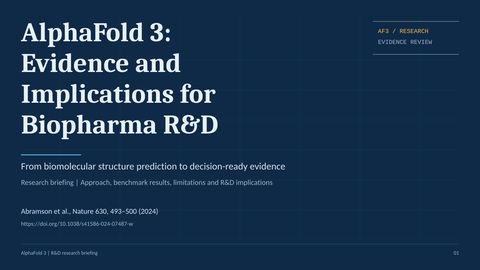 AlphaFold 3: a research briefing for biopharma R&D leaders
 Master's thesis defense: question, method, results and contributions
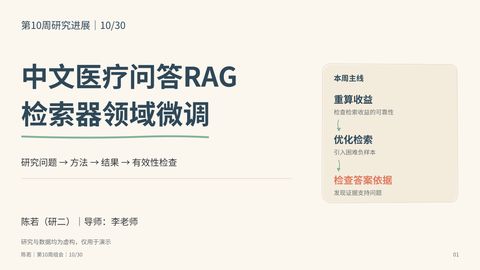 Research group meeting: weekly progress, results and next steps
Questions
Will it paste the abstract onto slides?
No. Each slide makes one point in your talk's own order; long passages are not copied.
Can it use figures from the PDF?
Yes. Figures are found with their captions, cut out whole and credited. Tables become PowerPoint tables or charts.
Is it good for a thesis defence?
Yes. Say how long you have and who is listening. The outline covers the question, method, results, contribution and limits, and the notes can include likely questions.
Can I present an English paper in Chinese?
Yes. Choose Chinese as the deck's language; technical terms can stay in English where that is clearer.
Make your next deck in minutes, then make it yours.
Start with 20 free credits. No card needed.
Start free